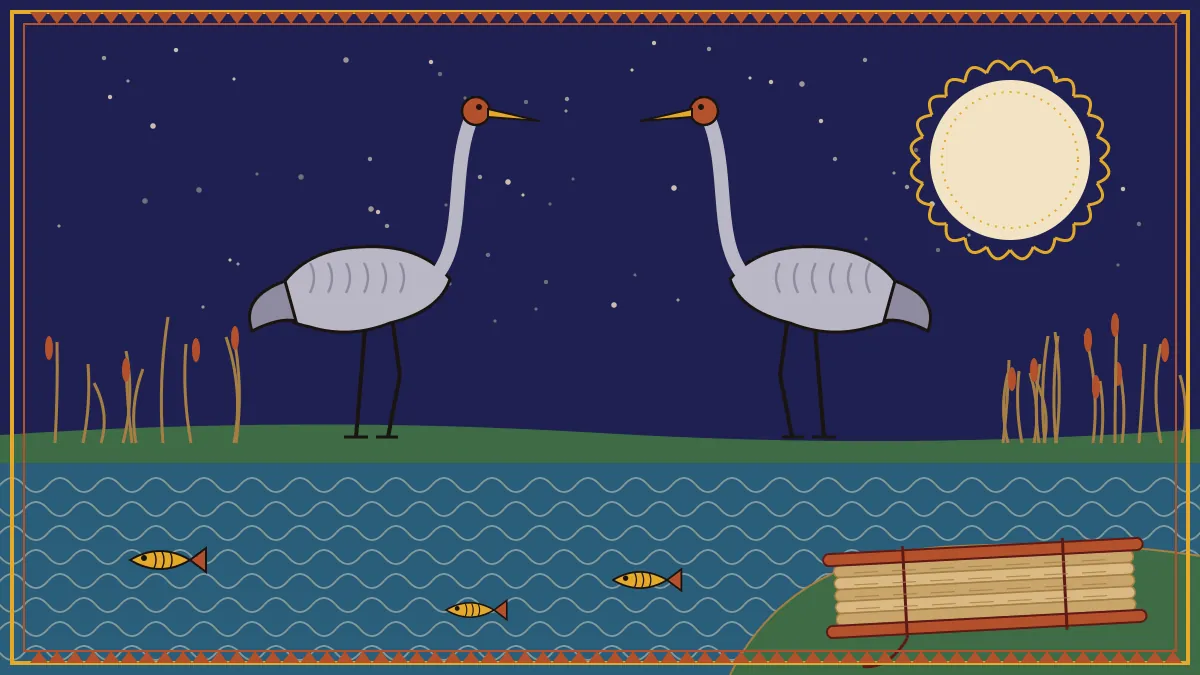
India marked Maharishi Valmiki Jayanti on 26 October 2026. It falls on the full moon of the month of Ashvin. Greeting the country, Prime Minister Narendra Modi shared a Sanskrit verse about Valmiki's compassion — the compassion, he wrote, that "gave birth to the very first shloka and laid the foundation of the Ramayana".
The verse he chose is itself worth an exam candidate's attention. It is not from the Ramayana. It comes from Kalidasa's Raghuvamsha, canto 14, verse 70. In other words, it is one great Sanskrit poet's tribute to the first one. Following that thread leads through most of what the CDS paper asks about the Ramayana tradition.
"Whose grief became verse"
The Raghuvamsha, Kalidasa's epic on the kings of Raghu's line, tells in its fourteenth canto how Sita was left in the forest. In the verse, Valmiki, who had gone out to gather kusha grass and firewood, hears her weeping and comes to her. Kalidasa then describes him in one phrase: the poet whose grief (shoka), born of seeing a bird struck down by a hunter, became verse (shloka).
That phrase compresses a famous story from the opening of the Valmiki Ramayana itself, in the second sarga of the Bala Kanda:
- Valmiki is bathing at the river Tamasa when a hunter kills the male of a mating pair of krauncha birds. Some scholars identify the krauncha with the sarus crane.
- Moved by the cry of the female, he curses the hunter. His words come out in a perfectly measured verse beginning mā niṣāda ("O hunter, may you never…").
- The poem itself treats this as the first shloka, metrical verse born of grief. In the narrative, Valmiki is then inspired to compose the story of Rama in the same form.
The wordplay of shoka and shloka is why Valmiki is called the Adi Kavi (first poet), and the Ramayana the Adi Kavya (first poem) of Sanskrit literature.
Kalidasa is generally placed in the 4th–5th century CE, the Gupta age. His works — Abhijnanashakuntalam, Meghaduta, Kumarasambhava, Raghuvamsha — are standard culture questions. That a poet of his stature should define his predecessor by this one episode shows how early it became the founding legend of Sanskrit poetry.
The Valmiki Ramayana: the facts examiners use
| Feature | Detail |
|---|---|
| Language | Sanskrit |
| Size | about 24,000 shlokas |
| Divisions | seven kandas: Bala, Ayodhya, Aranya, Kishkindha, Sundara, Yuddha, Uttara |
| Metre | mainly the anushtubh shloka: four quarters of eight syllables each |
| Scholarly view | the Bala and Uttara kandas are widely regarded as later additions to an older core |
| Critical edition | prepared at the Oriental Institute, Baroda, in the 1950s to 1970s |
Two points are easily confused. The Ramayana is an itihasa ("so it was"), together with the Mahabharata, which is attributed to Vyasa. The Puranas are a separate class of texts. The anushtubh metre the krauncha verse introduced became the workhorse of Sanskrit narrative verse, used in the Mahabharata too.
Later tradition adds a life story. It tells of a forest-dweller, often named Ratnakara, who turned from robbery to meditation and sat so still that an anthill (valmika) grew over him, giving him the name Valmiki. Treat this as legend, not history. It is the kind of tradition an examiner may quote in an assertion-reason question.
One story, many Ramayanas
The Ramayana became a pan-Indian and pan-Asian story because poets retold it in their own languages, not because they translated it. The table below is among the most reliable sources of culture questions:
| Work | Language | Poet | Period |
|---|---|---|---|
| Ramavataram (Kamba Ramayanam) | Tamil | Kamban | 12th century (Chola period) |
| Ranganatha Ramayanam | Telugu | Gona Budda Reddy | 13th century |
| Saptakanda Ramayana | Assamese | Madhava Kandali | 14th century |
| Krittivasi Ramayan | Bengali | Krittibas Ojha | 15th century |
| Jagamohana Ramayana | Odia | Balarama Dasa | 16th century |
| Ramcharitmanas | Awadhi | Tulsidas | 16th century |
| Bhavartha Ramayana | Marathi | Eknath | 16th century |
| Adhyatma Ramayanam Kilippattu | Malayalam | Thunchaththu Ezhuthachan | 16th century |
The Mughal court also took up the story. Akbar had the Ramayana translated into Persian, and the translation by Abd al-Qadir Badauni was completed in the late 1580s. Illustrated manuscripts of it are among the finest Mughal paintings.
In May 2024, the Ramcharitmanas was inscribed on UNESCO's Memory of the World Asia-Pacific Regional Register, along with the Panchatantra and Sahṛdayāloka-Locana. Ramlila, the traditional performance of the Ramayana, has been on UNESCO's intangible heritage list since 2008. The difference between the two UNESCO lists is covered in our explainer on India's intangible cultural heritage.
Beyond India
The story travelled along trade routes into Southeast Asia and took local forms:
- Thailand: Ramakien, the national epic.
- Cambodia: Reamker; scenes from the battle of Lanka are carved in relief at Angkor Wat.
- Indonesia: the Old Javanese Kakawin Ramayana (around the 9th century); Ramayana reliefs at the Prambanan temple complex in Java.
- Malaysia: Hikayat Seri Rama. Laos: Phra Lak Phra Lam. Myanmar: Yama Zatdaw.
This spread is a living example of India's cultural reach. It is why the Ramayana appears regularly in India's cultural diplomacy with ASEAN countries.
Valmiki's name on the map
Three present-day names keep Valmiki in the news:
- Maharishi Valmiki International Airport, Ayodhya Dham, inaugurated in December 2023.
- Valmiki Tiger Reserve, in West Champaran district — Bihar's only tiger reserve, on the Nepal border.
- Valmiki Jayanti itself, observed on Ashvin Purnima, the full moon of Ashvin.
Manuscripts of the Ramayana in dozens of scripts survive in Indian collections. The national effort to catalogue and digitise them is described in our article on the Gyan Bharatam Mission. Sanskrit and Tamil, the languages of Valmiki and Kamban, are both among the classical languages of India.
🔑 Revision block
- Valmiki Jayanti: 26 October 2026, on Ashvin Purnima; the PM shared a verse on Valmiki's compassion.
- The verse: from Kalidasa's Raghuvamsha, canto 14, verse 70. It describes Valmiki, out gathering kusha grass and firewood, coming to the weeping Sita — the poet whose grief (shoka) became verse (shloka).
- Krauncha episode: Bala Kanda, at the river Tamasa; a hunter kills one of a pair of krauncha birds (often identified as the sarus crane); the curse mā niṣāda is the first shloka.
- Titles: Valmiki = Adi Kavi; Ramayana = Adi Kavya.
- Text: Sanskrit, about 24,000 shlokas, seven kandas (Bala, Ayodhya, Aranya, Kishkindha, Sundara, Yuddha, Uttara); anushtubh metre (4 × 8 syllables); Bala and Uttara widely seen as later additions; critical edition at the Oriental Institute, Baroda.
- Itihasa: Ramayana (Valmiki) and Mahabharata (Vyasa).
- Regional Ramayanas: Kamban — Tamil (12th c.); Gona Budda Reddy — Telugu (13th c.); Madhava Kandali — Assamese (14th c.); Krittibas Ojha — Bengali (15th c.); Balarama Dasa — Odia, Tulsidas — Awadhi, Eknath — Marathi, Ezhuthachan — Malayalam (all 16th c.).
- Persian: under Akbar, translated by Badauni (late 1580s).
- UNESCO: Ramcharitmanas on the Memory of the World Asia-Pacific Register (2024); Ramlila on the intangible heritage list (2008).
- Abroad: Ramakien (Thailand), Reamker (Cambodia; Angkor Wat reliefs), Kakawin Ramayana and Prambanan (Java), Hikayat Seri Rama (Malaysia).
- Namesakes: Maharishi Valmiki International Airport, Ayodhya (Dec 2023); Valmiki Tiger Reserve, West Champaran — Bihar's only tiger reserve.
🎯 Practice MCQs
Q1. Who is traditionally called the "Adi Kavi" of Sanskrit literature? (a) Vyasa (b) Kalidasa (c) Bhasa (d) Valmiki
→ (d) Vyasa is credited with the Mahabharata; Kalidasa and Bhasa came much later.
Q2. The verse on Valmiki shared by the Prime Minister on Valmiki Jayanti 2026 comes from which work? (a) Meghaduta (b) Raghuvamsha (c) Abhijnanashakuntalam (d) Kumarasambhava
→ (b) It is canto 14, verse 70, of Kalidasa's epic on the kings of Raghu's line.
Q3. In the Ramayana's account of the first shloka, Valmiki was moved by the killing of a: (a) krauncha bird (b) peacock (c) deer (d) swan
→ (a) Some scholars identify the krauncha with the sarus crane.
Q4. The Valmiki Ramayana is divided into how many kandas? (a) Five (b) Six (c) Seven (d) Eighteen
→ (c) Eighteen is the number of parvas in the Mahabharata.
Q5. Which of the following pairs is correctly matched? (a) Kamban — Telugu (b) Krittibas Ojha — Bengali (c) Madhava Kandali — Odia (d) Eknath — Tamil
→ (b) Kamban wrote in Tamil, Madhava Kandali in Assamese, and Eknath in Marathi.
Q6. Tulsidas composed the Ramcharitmanas in: (a) Sanskrit (b) Braj Bhasha (c) Awadhi (d) Maithili
→ (c) It dates from the 16th century and was placed on UNESCO's Asia-Pacific Memory of the World register in 2024.
Q7. The Valmiki Tiger Reserve is located in which State? (a) Bihar (b) Uttar Pradesh (c) Madhya Pradesh (d) Uttarakhand
→ (a) It is in West Champaran district, and is Bihar's only tiger reserve.
Q8. "Ramakien", a version of the Ramayana regarded as a national epic, belongs to: (a) Cambodia (b) Indonesia (c) Myanmar (d) Thailand
→ (d) Cambodia's version is the Reamker; Myanmar's is the Yama Zatdaw.
Q9. The Ramayana was translated into Persian at the court of Akbar by: (a) Abul Fazl (b) Abd al-Qadir Badauni (c) Faizi (d) Amir Khusrau
→ (b) Amir Khusrau belongs to the Delhi Sultanate period, three centuries earlier.
Q10. The anushtubh metre, in which the first shloka was composed, has: (a) four quarters of eight syllables each (b) three lines of seven syllables each (c) two lines of eleven syllables each (d) four lines of twelve syllables each
→ (a) Thirty-two syllables in all; it became the standard metre of Sanskrit narrative verse.
📋 How this gets asked (PYQ pattern)
Art and Culture is the largest single current-affairs lane in the CDS paper, and literature is one of its most reliable parts.
The most common form is the matching question: author to work, work to language, poet to century. The regional Ramayanas are made for it, because the examiner can pair Kamban, Krittibas, Madhava Kandali and Tulsidas with the wrong languages and ask which pair is right. Learn the table above as pairs.
The second form is the observance question. An anniversary or jayanti becomes the hook, and the question tests the person behind it: Valmiki and the Adi Kavya, or Kalidasa and his works.
The third, seen more often recently, is the heritage-list question: which texts or traditions are on which UNESCO list, and when. The Ramcharitmanas (Memory of the World, regional register) and Ramlila (intangible heritage) are a classic pair to confuse.
At the SSB, the Ramayana's journey across Asia is a strong illustration of India's soft power in a group discussion on cultural diplomacy or the Act East policy.
Preparing for CDS? Keep a single literature table — work, author, language, century — and add every text that appears in the news; it answers most culture questions in the paper. Build the base with our CDS/OTA study material, follow the daily CDS current affairs, and train with serving-standard faculty in the upcoming Cavalier courses in Delhi.
✍️ Written by Hitendra Deswal — Polity, history & culture faculty at The Cavalier. Reviewed by the Cavalier Faculty Desk.